


Freya and Lou are seventeen and share everything - body spray, teachers’ green-biroed exasperations, their awkwardly navigated sexuality. Loos Loos spotlights a few tumultuous weeks of their friendship. Set entirely in the toilets of their ordinary school where they feel safe to be themselves, they attempt to bar the entry of darker outside reality.
This unflinching portrayal of adolescence is intense and funny, rude and raw. There is a party and an assault. The girls struggle to bridge the gap between experience and understanding - how can you confront assault and revenge porn before you have the language to name it?
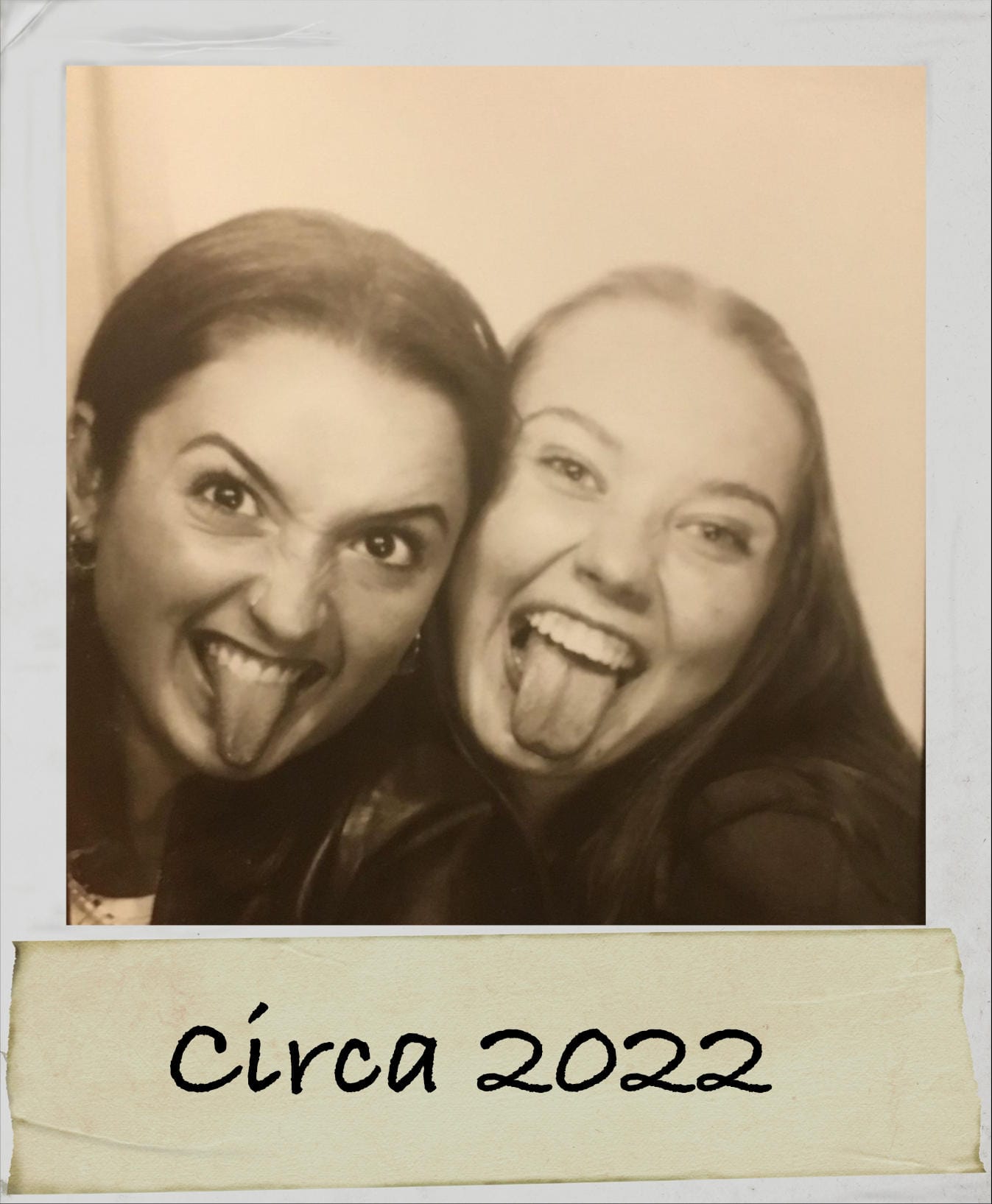
About Loos Loos:
Whenever we discuss the play with peers, their reaction always acknowledges the relevance and relatability of its content. I hope after leaving the theatre, audience members feel empowered to have open conversations and greater understanding of the complexities of sexual assault, contributing toward a world where these issues are no longer timely or prevalent. The play’s origins as verbatim writing should validate the experiences of many of our young female audience members and provide them with the rare experience of seeing their own voice represented in theatre. Ultimately, the play strives for a rejection of the deep-rooted shame attached to far too many aspects of girlhood.
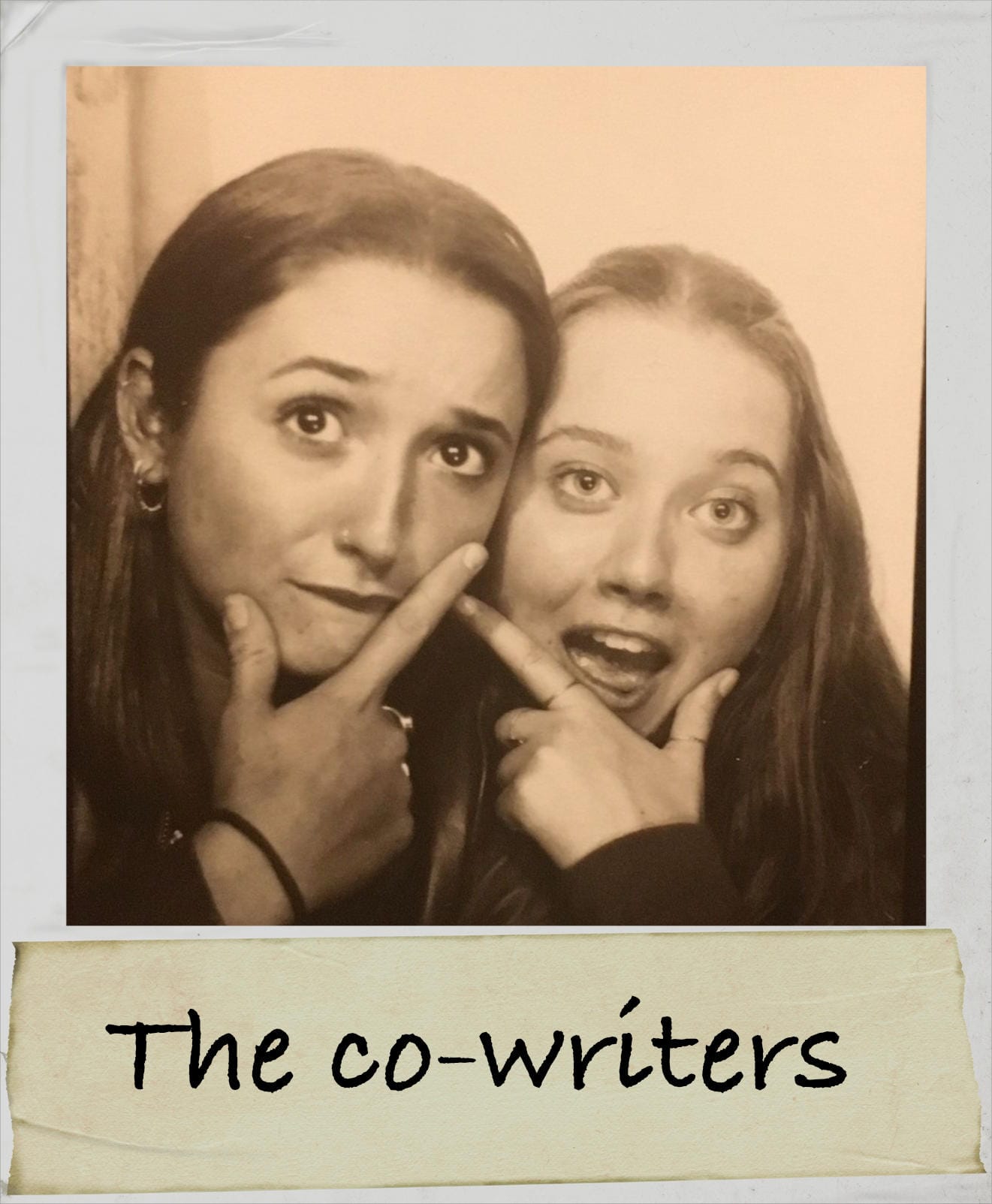
The play was inspired by works such as Suzie Miller’s ‘Prima Facie’, Molly Manning-Walker’s ‘How to Have Sex’ and Alexa Morden’s ‘Hers’, continuing conversations around our warped perceptions of what a positive sexual experience is, and the hopelessness of achieving justice in a sexist system. But, ‘Loos Loos’ specifically champions an accurate portrayal of the young, naive yet fiery female voice. Although it can often seem like you are stuck in a 'lose lose' situation as a young woman in the game of growing older, this play reminds us of the immense amount of confidence, affirmation and catharsis that arises from honest, realistic and empowering conversation around girlhood and sexual assault.
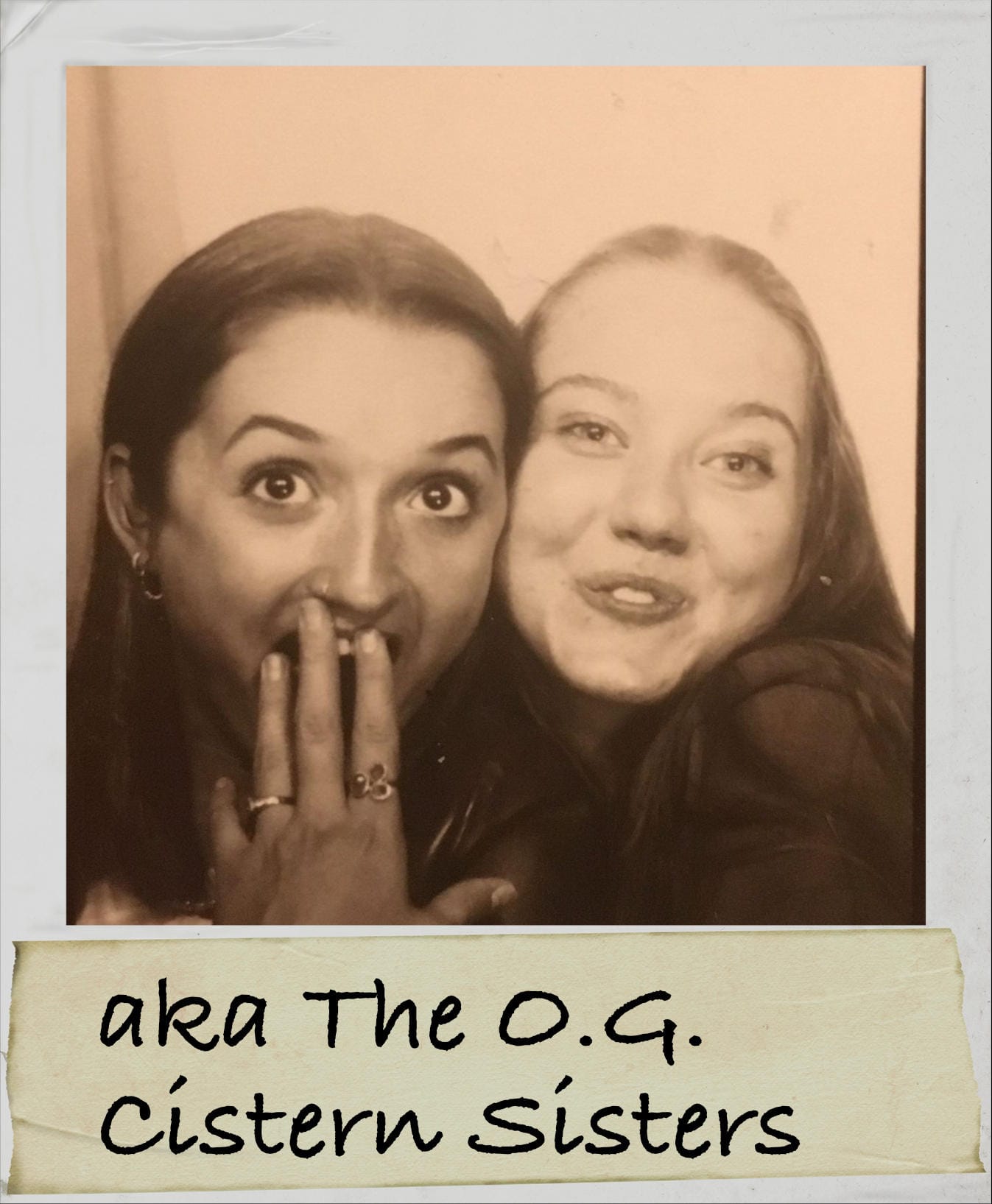
Writers’ note:
As writers, we are excited by depictions of the gap between event and language, how this can seep into poetic broken expressions or lead to a distorted representation of time and reality. Our intention was not to write a play that centres around a particular instance of sexual assault, but rather to authentically showcase the adolescent female experience in all its messiness; the naive yet headstrong tangle of outspoken rebellion and utter hopelessness. Yet, invariably we became confronted with the shockingly inseparable nature of girlhood and processing sexual violence, reinforcing the relevance and necessity of this story. Loos Loos is deliberately inconclusive, harsh and honest, aiming to record events raw as they occur, without the wisdom and healing that comes with age. While humorous at times, our script does not shy away from what many performance spaces still regard as taboo, which makes us all the more proud to maintain these much needed conversations with Fringe audiences.
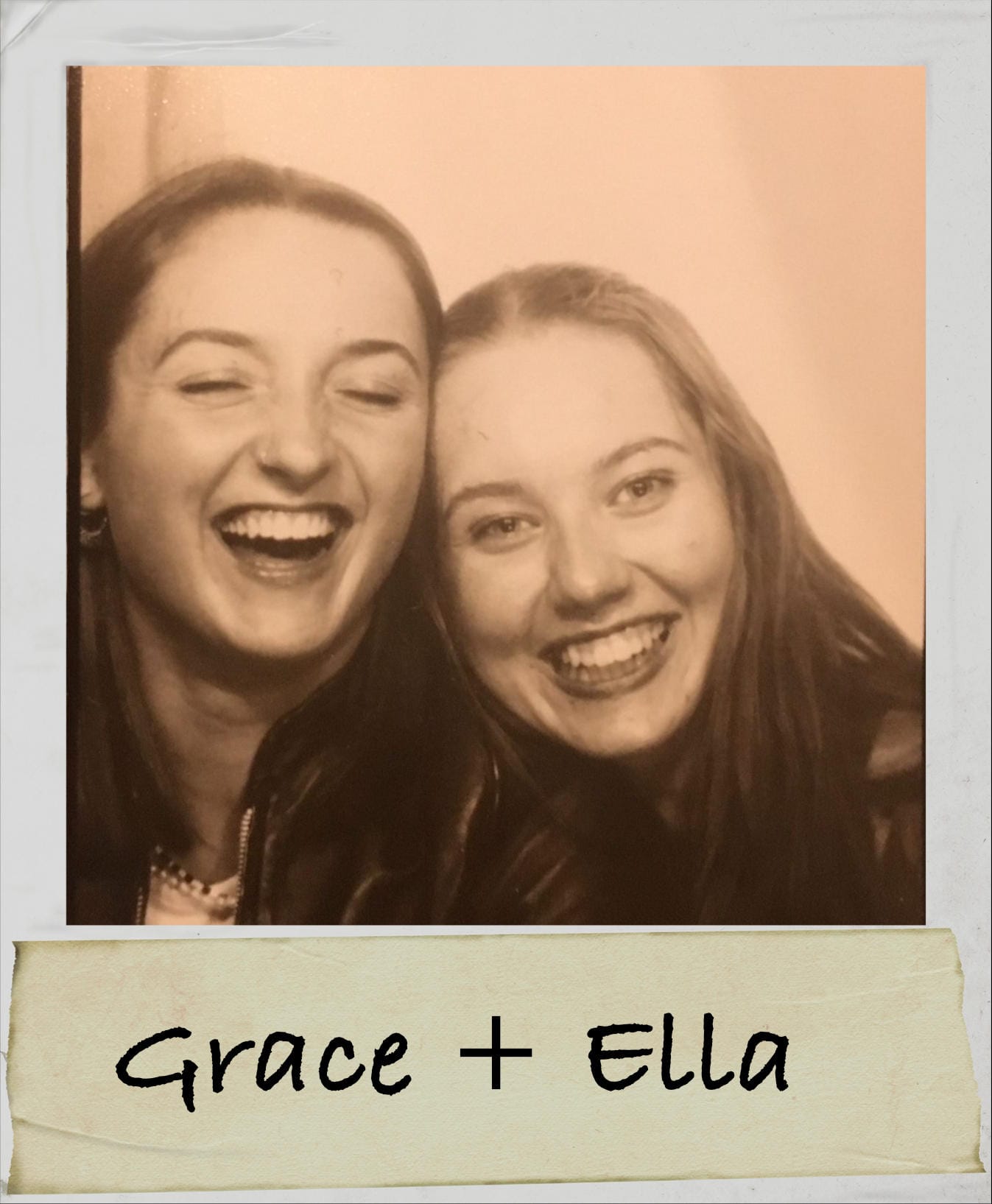
About the characters:
Lou is slightly more rebellious than Freya. They are in an awkward stage of life, aware and loving of each other’s flaws, but have their own different insecurities. They can’t wait for life outside of school, but at the moment it is all consuming, they can’t imagine anything else. Lou is self assured, taking great pleasure in exercising her perceptive but often bluntly expressed ideas. Her maturity and ability to rationalise situations often conflicts with her capacity to experience intense emotion. Freya adores Lou’s outspoken nature but is still in the depths of teenage shame. She is usually very positive and extremely naive, despite always being well intentioned. Right now, Lou and Freya are the most important figures in each others’ lives.